
Call us now :07971405282
 Send Inquiry
 Send Inquiry
Atomic Absorption Spectrophotometer
MOQ : 1 Piece
Atomic Absorption Spectrophotometer Specification
- Usage
- Laboratory
- Type
- Atomic Absorption Spectrophotometer
- Product Type
- Atomic Absorption Spectrophotometer
- Color
- White And Black
- Material
- Mild Steel
- Warranty
- 1 Year
Atomic Absorption Spectrophotometer Trade Information
- Minimum Order Quantity
- 1 Piece
- Supply Ability
- 100 Pieces Per Month
- Delivery Time
- 7 Days
About Atomic Absorption Spectrophotometer
Atomic absorption spectroscopy (AAS) is used to analyze metal samples by determining the presence and concentration of metals in a liquid sample. Metals include Fe, Cu, Al, Pb, Ca, Zn, Cd and many more. It also measures the concentrations of metals in the samples. Typical concentrations range in the low mg/L range.
In their elemental form, metals will absorb ultraviolet light when they are excited by heat. Each metal has a characteristic wavelength that will be absorbed. The AAS instrument looks for a particular metal by focusing a beam of UV light at a specific wavelength through a flame and into a detector. The sample of interest is aspirated into the flame. If that metal is present in the sample, it will absorb some of the light, thus reducing its intensity. These instruments measure the change in intensity. A computer data system converts the change in intensity into an absorbance.
Reliable Construction and Design
Manufactured using mild steel, this Atomic Absorption Spectrophotometer offers both structural strength and operational stability. The white and black exterior not only adds aesthetic value but also provides corrosion resistance, ensuring the instruments longevity in demanding laboratory settings.
Versatile Laboratory Applications
Engineered for versatility, this spectrophotometer is suitable for a variety of laboratory analyses including environmental, clinical, and industrial applications. Its advanced features empower users to detect and quantify trace metals with high precision, making it indispensable for laboratories throughout India.
FAQs of Atomic Absorption Spectrophotometer:
Q: How is the Atomic Absorption Spectrophotometer used in laboratory settings?
A: The device is primarily used to analyze the concentration of metals in various samples. By atomizing the sample and measuring light absorption, laboratories can accurately determine the presence and amount of specific elements, aiding in research and quality control.Q: What materials are used in the construction of this spectrophotometer?
A: This spectrophotometer is manufactured from high-quality mild steel, providing exceptional durability and resistance to everyday wear and tear common in laboratory environments.Q: When should calibration and maintenance be carried out on the instrument?
A: Regular calibration should be performed according to the laboratorys protocol, typically before critical measurements and at set intervals. Routine maintenance, ideally every 6 to 12 months, ensures optimal performance and extends the instruments lifespan.Q: Where can the Atomic Absorption Spectrophotometer be sourced or purchased?
A: This instrument is available through reputable distributors, exporters, suppliers, and wholesalers across India, making it accessible to laboratories nationwide seeking dependable analytical solutions.Q: What is the process involved in elemental analysis using this spectrophotometer?
A: Samples are introduced into the spectrophotometer where they are atomized. The instrument then measures the amount of light absorbed by specific elements, allowing for precise quantification of metal concentrations in the sample.Q: What are the key benefits of using this spectrophotometer model?
A: Key benefits include high measurement accuracy, robust mild steel construction, a modern design, and a 1-year warranty. These features ensure the instruments reliability, making it a valuable asset for long-term laboratory use.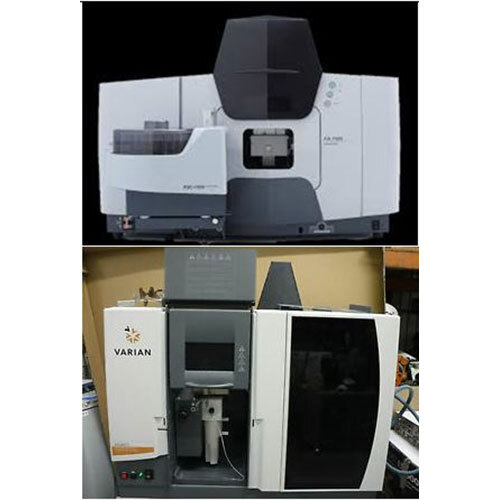
Tell us about your requirement

Price:
Quantity
Select Unit
- 50
- 100
- 200
- 250
- 500
- 1000+
Additional detail
Mobile number
Email

More Products in Biotechnology Lab Category

GEL DOCUMENTATION SYSTEM
Minimum Order Quantity : 1 Piece
Usage : Laboratory
Product Type : GEL DOCUMENTATION SYSTEM
Type : Other, GEL DOCUMENTATION SYSTEM
Material : Aluminum & Acrylic
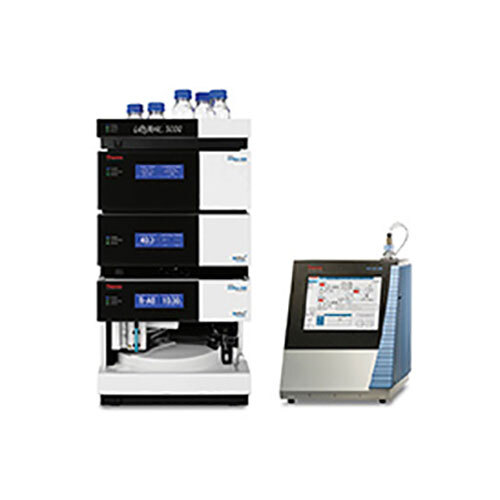
Chromatography System &Columns
Usage : Laboratory
Product Type : Chromatography System &Columns
Type : Other, Chromatography System &Columns
Material : Stainless Steel, Glass
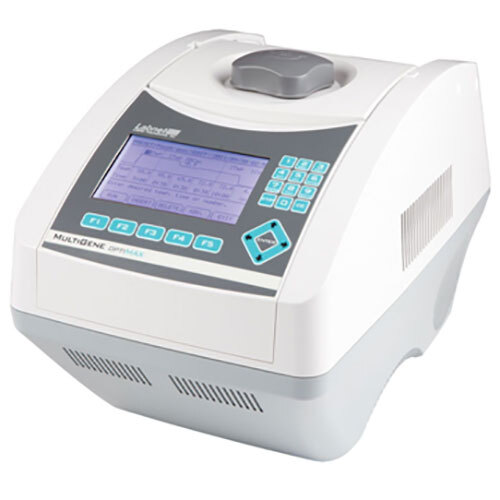
THERMAL CYCLER
Minimum Order Quantity : 1 Piece
Usage : Laboratory
Product Type : THERMAL CYCLER
Type : Other, THERMAL CYCLER
Material : Plastic
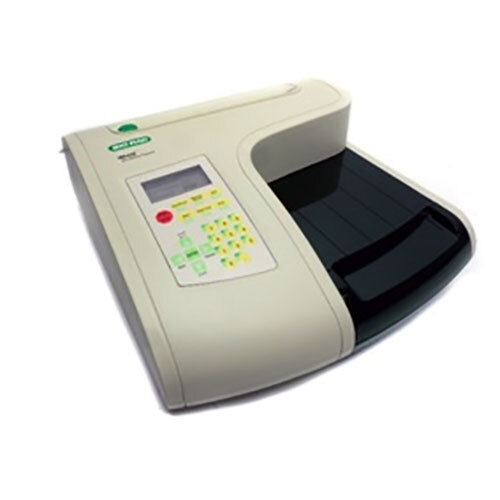
Elisa Readers
Minimum Order Quantity : 1 Piece
Usage : Laboratory
Product Type : Elisa Readers
Type : Other, Elisa Readers
Material : Plastic

 Send Inquiry
Our Products
- Quality Control Lab
- Biotechnology Lab
- Life Science & Biochemistry
- Nanotech Lab
- Medical & Biomedical Lab
- Metal Analyzing
- Pharmacy Lab
- Industrial Chemicals
- Foundry Alloys & Metals
- Micronutrients For All Crops
- Glasswares
- Lab Furniture
- EDP Equipments
- LABORATORY CHEMICALS
- Mechanical engineering
- Civil engineering
- Electrical/Electronics engineering
- Electronics & Communication engineerings
- Textile Technology
- aerospace/aeronautical engineering
- Automobile engineering

160, 6th Street Extension, 100 feet road, Gandhipuram, Coimbatore - 641012, Tamil Nadu, India

Mr C. S. R. Cholan
(Chief Executive Officer)
Mobile :07971405282
 Send Inquiry
 Send SMS
Developed and Managed by Infocom Network Private Limited.
